- Why Choosing the Right B.Tech Specialization Matters More Than Ever
- Popular B.Tech Specializations in 2026
- Skills Every Engineering Student Should Develop
- The Importance of Practical Learning
- Emerging Technologies Every Engineering Student Should Learn
- How Accurate Group of Institutions Prepares Future Engineers
- Choosing the Best Engineering College in India
- Career Opportunities After B.Tech
- Conclusion
- Frequently Asked Questions (FAQs)
The engineering landscape is changing faster than ever before. A decade ago, choosing a B.Tech specialization was mostly about selecting a popular branch such as Computer Science, Mechanical, Civil, or Electronics. Today, the decision is much broader. Technologies like Artificial Intelligence, Data Science, Cybersecurity, Cloud Computing, Robotics, and the Internet of Things are transforming industries, creating new career opportunities, and changing what employers expect from engineering graduates.
As a result, students preparing for engineering admission in 2026 often ask the same question: Which B.Tech specialization offers the best future? The answer depends on individual interests, industry trends, and the quality of education. That's why selecting one of the best engineering colleges in India is just as important as choosing the right specialization.
Accurate Group of Institutions combines academic excellence with practical learning, modern laboratories, industry exposure, and career-focused training to help engineering students prepare for rapidly evolving technology careers.
Why Choosing the Right B.Tech Specialization Matters More Than Ever
Engineering is no longer limited to designing machines or constructing buildings. Every industry now depends on technology to improve productivity, automate operations, enhance customer experiences, and drive innovation.
This transformation has created demand for engineers who possess technical expertise along with analytical thinking, problem-solving abilities, and practical experience. Students should therefore choose a specialization that matches both their interests and future industry demand.
Technology Is Reshaping Every Industry
Healthcare uses artificial intelligence for diagnostics. Financial institutions rely on cybersecurity to protect customer information. Manufacturing companies adopt robotics and automation, while retail businesses use data analytics to understand consumer behavior.
These developments have expanded engineering opportunities far beyond traditional industries.
Career Flexibility
Many engineering graduates no longer spend their entire careers in one technical field. Skills learned during B.Tech often lead to careers in software development, consulting, research, product management, entrepreneurship, data analytics, and emerging technologies.
Popular B.Tech Specializations in 2026
Every engineering branch has unique strengths. Instead of following trends blindly, students should understand where each specialization fits into the modern job market.
Computer Science Engineering (CSE)
Computer Science continues to remain one of the most preferred engineering branches because software powers almost every business today. Students study programming, algorithms, operating systems, databases, cloud computing, and software engineering.
Career opportunities include:
- Software Developer
- Full Stack Developer
- Cloud Engineer
- Data Engineer
- AI Engineer
- DevOps Engineer
Artificial Intelligence and Machine Learning
AI is influencing healthcare, finance, manufacturing, education, transportation, and entertainment. Students learn machine learning algorithms, neural networks, deep learning, natural language processing, and computer vision.
This specialization suits students interested in solving complex real-world problems using intelligent systems.
Data Science

Organizations generate enormous amounts of data every day. Data Science focuses on collecting, analyzing, and interpreting this information to support better business decisions.
Graduates often work as:
- Data Analyst
- Business Intelligence Analyst
- Data Scientist
- Machine Learning Engineer
Cybersecurity
As businesses become increasingly digital, protecting information has become a top priority. Cybersecurity engineers secure networks, applications, databases, and cloud infrastructure from cyber threats.
Demand for cybersecurity professionals continues to rise across both public and private sectors.
Electronics and Communication Engineering (ECE)
Electronics remains highly relevant due to advancements in embedded systems, semiconductor technologies, telecommunications, IoT devices, and wireless communication.
ECE graduates contribute to industries ranging from consumer electronics to aerospace and telecommunications.
Mechanical Engineering
Mechanical Engineering continues to play an essential role in manufacturing, automotive, aerospace, renewable energy, and industrial automation. Modern mechanical engineers increasingly work with robotics, automation systems, and smart manufacturing technologies.
Civil Engineering
Urban development, sustainable infrastructure, transportation systems, and smart cities continue to create opportunities for Civil Engineers. Students also explore construction technologies, environmental engineering, and project management.
Skills Every Engineering Student Should Develop
Choosing the right specialization is only the first step. Employers also evaluate technical and professional skills before hiring engineering graduates.
Programming Knowledge
Even students outside Computer Science benefit from learning Python, Java, C++, or JavaScript because software increasingly supports engineering solutions across industries.
Engineering fundamentally involves solving practical problems. Students should develop logical thinking and analytical reasoning through projects, coding exercises, laboratory work, and case studies.
Communication Skills
Engineers regularly collaborate with cross-functional teams, clients, and project managers. Strong communication improves teamwork and project execution.
Adaptability
Technology evolves continuously. Successful engineers embrace lifelong learning and stay updated with industry innovations throughout their careers.
The Importance of Practical Learning
Theoretical knowledge builds a strong foundation, but practical experience prepares students for professional engineering careers.
Laboratory Experience
Modern engineering laboratories allow students to experiment with hardware, software, automation tools, simulation platforms, networking systems, and design software that reflect industry practices.
Industry Projects
Working on live projects enables students to understand client requirements, teamwork, project planning, testing, and implementation while strengthening technical confidence.
Internships
Internships expose students to professional engineering environments where they gain practical knowledge, workplace discipline, and valuable industry experience before graduation.
Emerging Technologies Every Engineering Student Should Learn
Regardless of specialization, engineering students should understand the technologies shaping the future of industries. Learning these skills alongside the regular curriculum helps graduates remain competitive in a rapidly changing job market.
Cloud Computing
Cloud platforms have become essential for businesses of every size. Engineers who understand cloud infrastructure, virtualization, deployment, and cloud services have access to opportunities across software development, networking, and enterprise technology.
Artificial Intelligence and Automation
AI is no longer limited to software companies. Manufacturing, healthcare, logistics, finance, and education increasingly use intelligent systems to automate operations and improve decision-making. Basic knowledge of AI benefits students from almost every engineering branch.
Internet of Things (IoT)
IoT connects devices, sensors, and machines to collect and exchange real-time data. Smart homes, industrial automation, agriculture, healthcare monitoring, and transportation systems all rely on IoT technologies, creating exciting opportunities for engineering graduates.
Data Analytics
Modern organizations depend on data to improve efficiency and business performance. Engineers who can collect, analyze, and interpret technical data often contribute more effectively to product development and operational decision-making.
How Accurate Group of Institutions Prepares Future Engineers
Students searching for the top engineering College in Greater Noida often evaluate more than academic results. They want practical learning, modern infrastructure, experienced faculty, and strong placement support. Accurate Group of Institutions focuses on creating an environment that prepares students for both higher education and industry careers.
Industry-Oriented Curriculum
The curriculum combines engineering fundamentals with current industry practices so students gain both conceptual knowledge and practical exposure. Classroom learning is supported through laboratory sessions, technical assignments, seminars, and project-based activities.
Modern Engineering Laboratories
Well-equipped laboratories allow students to work with engineering tools, software platforms, design applications, simulation environments, and modern equipment. Regular practical sessions help strengthen technical understanding beyond textbook learning.
Experienced Faculty
Faculty members guide students through academics, technical projects, internships, research activities, and career planning. Their mentorship encourages students to develop both technical competence and professional confidence.
Industry Exposure and Practical Learning
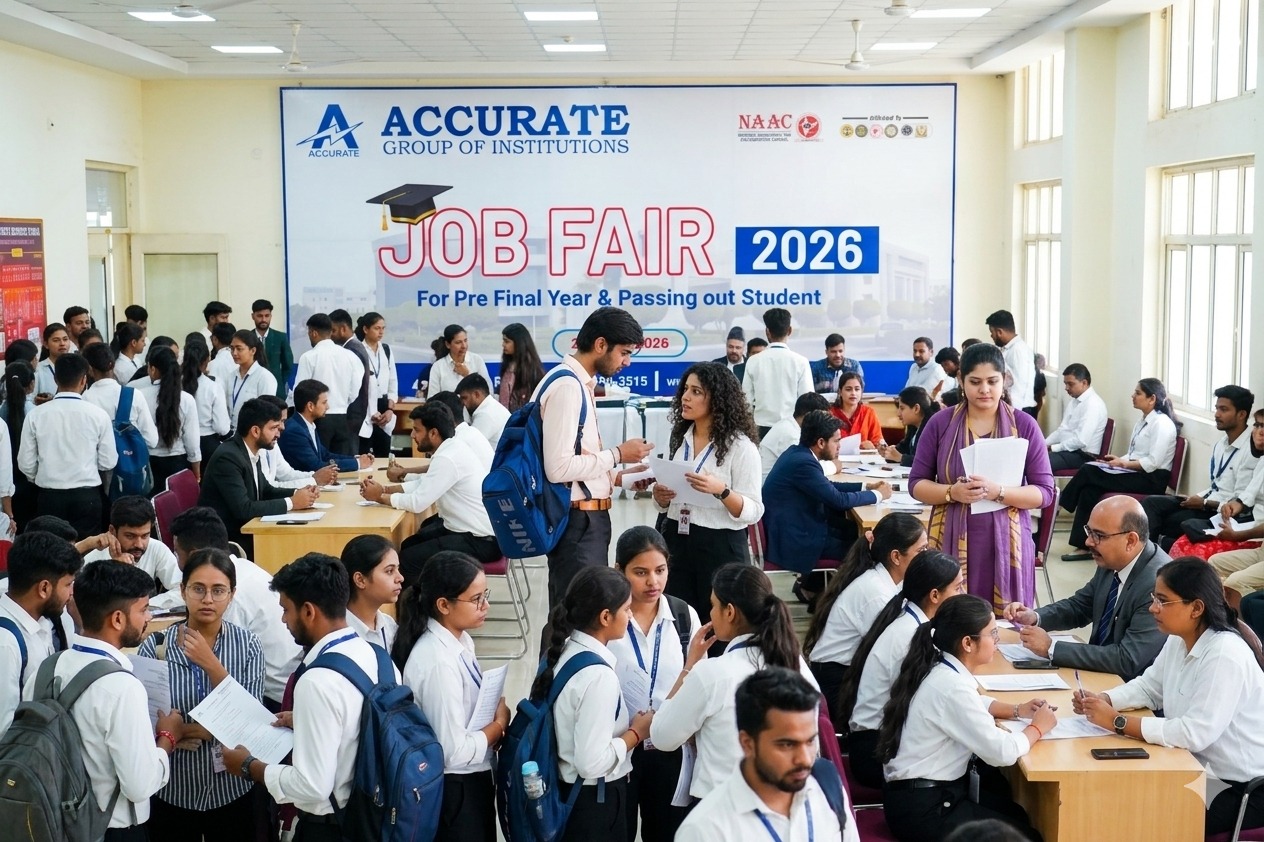
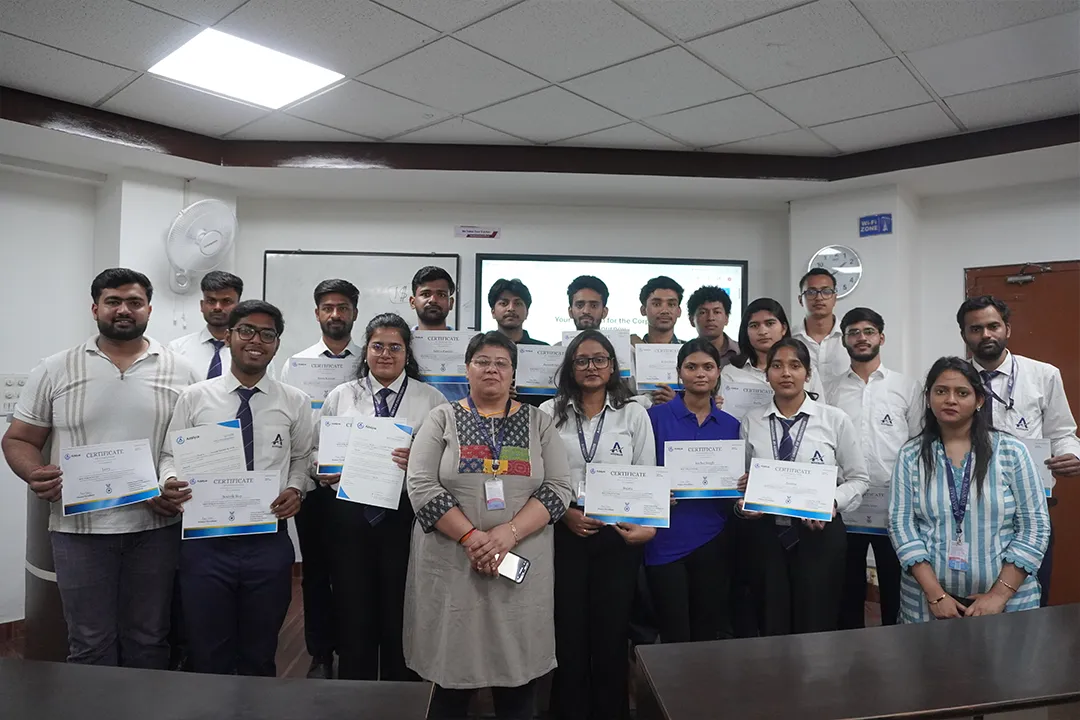
Guest lectures, industrial visits, technical workshops, coding competitions, innovation events, and live projects provide students with opportunities to understand real engineering practices while interacting with experienced professionals.
Placement Preparation
Placement support includes aptitude training, coding practice, mock interviews, resume building, communication development, and personality enhancement. This structured preparation helps students confidently participate in campus recruitment drives.
Choosing the Best Engineering College in India
Choosing the right engineering college is one of the most important academic decisions a student makes. Instead of focusing only on rankings, students should carefully evaluate the complete learning environment.
While searching for the best engineering college in India or the best private B Tech college in India, consider the following factors:
- Updated and industry-relevant curriculum
- Experienced faculty members
- Modern laboratories and technical infrastructure
- Internship opportunities
- Industry collaborations
- Research and innovation support
- Placement training and career guidance
- Strong placement record
- Coding clubs and technical communities
- Entrepreneurship and startup support

A college that provides these opportunities helps students build technical expertise as well as professional skills required for long-term career success.
Career Opportunities After B.Tech
Engineering graduates today have career options across multiple industries, depending on their specialization and skill set.
- Software Engineer
- AI Engineer
- Machine Learning Engineer
- Cloud Engineer
- Cybersecurity Analyst
- Data Scientist
- Electronics Design Engineer
- Mechanical Design Engineer
- Civil Project Engineer
- Automation Engineer
- Product Development Engineer
- Research Associate
- Technical Consultant
- Entrepreneur
Graduates who continue learning emerging technologies and develop strong communication, leadership, and analytical skills often experience faster career growth.
Conclusion
The future of engineering belongs to students who combine strong technical fundamentals with adaptability, practical learning, and continuous skill development. While every B.Tech specialization offers valuable opportunities, choosing the right branch should depend on personal interests, industry demand, and long-term career goals rather than short-term trends.
The best engineering college in India provides much more than classroom education. It creates an ecosystem where students gain practical experience through laboratories, projects, internships, technical events, industry interaction, and structured placement support.
Accurate Group of Institutions follows this industry-focused approach by offering modern infrastructure, experienced faculty, practical training, innovation-driven learning, and career development opportunities. For aspiring engineers planning their future in 2026 and beyond, selecting the right specialization along with the right institution can become the foundation of a successful and rewarding professional journey.
Frequently Asked Questions (FAQs)
1. Which B.Tech specialization has the best future in 2026?
Computer Science Engineering, Artificial Intelligence, Data Science, Cybersecurity, Cloud Computing, and Electronics & Communication Engineering are among the most promising specializations because of increasing industry demand and technological advancements.
2. How should students choose the right B.Tech specialization?
Students should evaluate their interests, strengths, future career goals, industry demand, emerging technologies, and the quality of education offered by the engineering college before making a decision.
3. What skills are essential for engineering students today?
Programming, analytical thinking, problem-solving, communication, teamwork, project management, cloud computing basics, and continuous learning are among the most valuable skills for engineering graduates.
4. Why choose Accurate Group of Institutions for B.Tech?
Accurate Group of Institutions offers industry-oriented engineering education through modern laboratories, experienced faculty, practical learning, internships, technical workshops, industry exposure, and comprehensive placement support to prepare students for successful engineering careers.

.jpg)







.jpg)
.jpeg)