Engineering has long been one of the most preferred career options in India. Every year, lakhs of students enroll in B.Tech programs with the hope of securing stable jobs, good salaries, and long-term career growth. Parents invest significant money, students invest years of effort, and expectations remain extremely high.
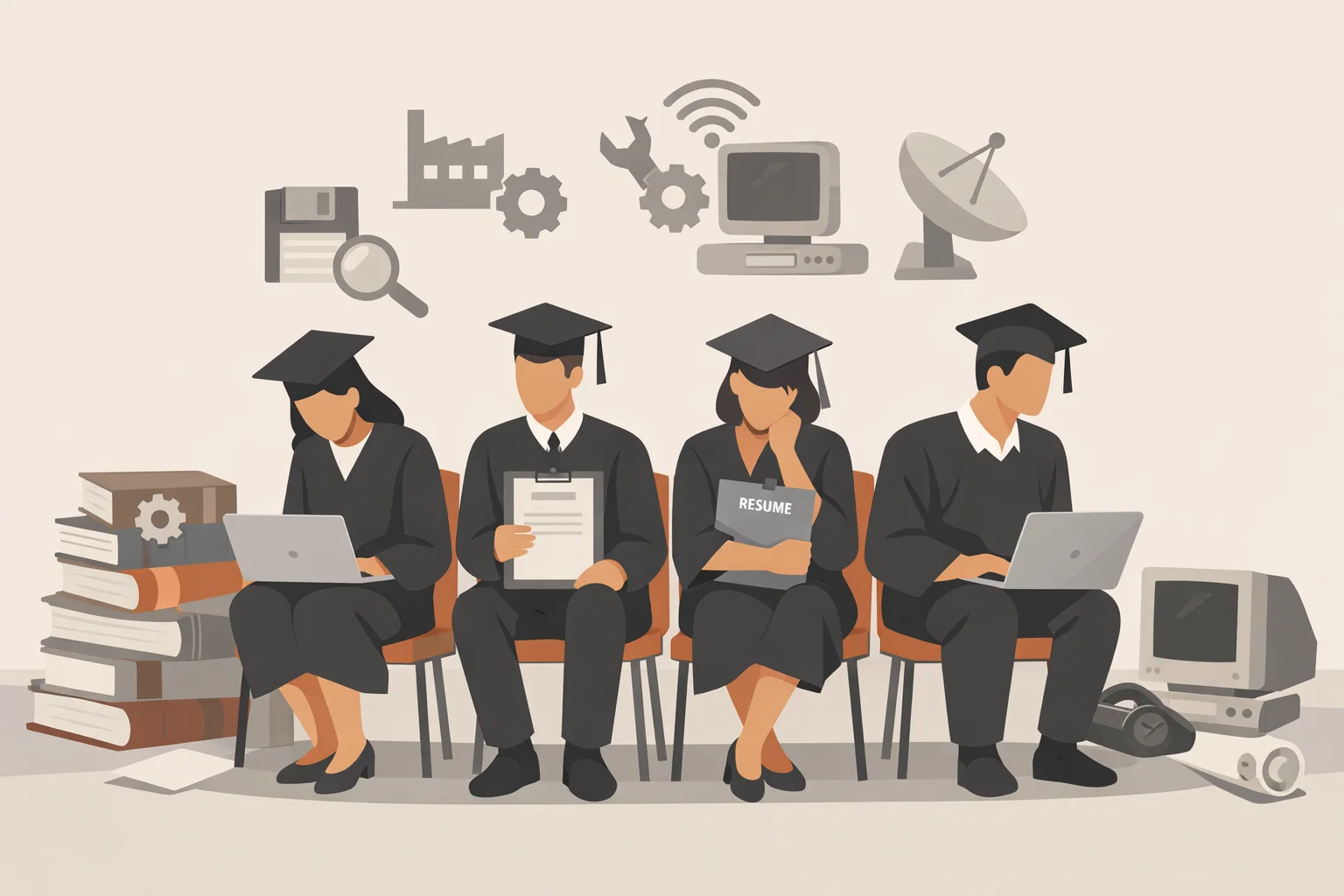
Despite this, a large number of B.Tech graduates struggle to find suitable employment after graduation. Many remain unemployed for months or even years, while others settle for low-paying or non-technical roles. This growing gap between education and employment has become a serious concern.
Institutions such as Accurate Group of Institutions focus on industry-aligned education and skill development, which plays a vital role in addressing this issue. To avoid unemployment, students must first understand why it happens.
The Engineering Education Boom in India
Over the last two decades, engineering education in India has expanded rapidly. Areas like Delhi NCR and Greater Noida have emerged as major education hubs, offering numerous engineering programs across disciplines.
While this growth increased accessibility, it also created oversupply. The number of graduates entering the job market grew much faster than the availability of quality, skill-based opportunities. As a result, competition intensified and employability became a major challenge.
Choosing the Wrong College: A Critical Mistake
Unemployment often begins with a poor college selection. Many students choose engineering colleges based on location, low fees, or peer pressure, without evaluating academic quality or placement outcomes.
A Top Btech College in Delhi NCR or a Top Btech College in Greater Noida is defined by strong industry exposure, updated curriculum, and consistent placement support—not marketing claims.
Colleges that focus on practical learning, internships, and mentorship help students transition smoothly from classroom to corporate life.
Degree Without Skills: The Core Problem
One of the biggest reasons B.Tech graduates remain unemployed is the lack of practical skills. Today’s employers are not impressed by degrees alone. They want engineers who can solve problems, work with modern tools, and adapt quickly.
Many graduates know theoretical concepts but struggle to apply them in real-world scenarios. This gap between knowledge and application makes them unsuitable for most technical roles.
Outdated Curriculum and Teaching Methods
Technology evolves rapidly, but academic curricula often fail to keep pace. Many colleges continue to teach outdated subjects and tools that have little relevance in today’s industry.
While companies work with artificial intelligence, cloud computing, data analytics, and automation, students are sometimes trained on obsolete technologies. This mismatch leads to poor job readiness.
The top btech colleges in greater noida regularly revise their curriculum, introduce certification programs, and involve industry experts to ensure students remain aligned with current demands.
Lack of Internship and Industry Exposure
Internships play a crucial role in shaping employability. Unfortunately, many students treat internships as a formality rather than a learning opportunity.
Graduates who complete their degree without meaningful internships struggle to answer practical interview questions or demonstrate real-world experience.
Colleges that integrate internships, industrial visits, and live projects into the academic structure significantly improve student confidence and job readiness.
Misleading Placement Expectations
Many students enter engineering with unrealistic placement expectations. Advertisements often highlight high salary packages, creating false assumptions that every student will be placed easily.
In reality, placements depend on individual preparation, skills, and consistency. Even in reputed institutions, only students who actively work on their skills secure strong offers.
Wrong Branch Selection and Market Saturation
Another overlooked reason for unemployment is poor branch selection. Students often choose engineering branches without understanding industry demand or personal interest.
When too many graduates enter already saturated fields, competition increases and opportunities shrink. Strategic branch selection based on market trends can significantly improve employment prospects.
Communication and Soft Skills Gap
Technical knowledge alone is no longer sufficient. Many capable engineers fail interviews due to poor communication, lack of confidence, or inability to explain their ideas clearly.
Employers value teamwork, problem explanation, and professional behavior. Engineers who cannot communicate effectively struggle to survive in corporate environments.

How B.Tech Students Can Avoid Unemployment
1. Select a Career-Oriented College
Choose institutions that prioritize skill development, internships, and placements. A supportive academic environment plays a major role in long-term success.
2. Start Skill Development Early
Students should begin learning industry-relevant skills from the first year itself. Early exposure builds confidence and practical understanding.
3. Take Internships Seriously
Internships provide real-world exposure, professional discipline, and networking opportunities. Multiple internships significantly enhance employability.
4. Stay Updated With Industry Trends
Engineering careers demand continuous learning. Staying updated with emerging technologies ensures long-term relevance.
5. Improve Communication Skills
Strong communication, presentation skills, and interview readiness often determine hiring outcomes.
Why Some Engineers Succeed While Others Struggle
The difference between successful and unemployed engineers is rarely intelligence. It is preparation, exposure, and mindset that create the gap.
Students from the top btech colleges with industry-focused education consistently perform better in placements and career growth.
Engineering Still Has a Strong Future
Engineering remains a powerful and rewarding career path. The problem lies not in the degree but in how it is pursued.
Students who choose the right college, build skills consistently, and adapt to industry demands create strong and sustainable careers.
Frequently Asked Questions
Why are many B.Tech graduates unemployed in India?
Most graduates lack practical skills, industry exposure, and communication abilities required by employers.
Does choosing the right college reduce unemployment?
Yes. Studying at a Top Btech College in Greater Noida or Delhi NCR improves access to quality education and placements.
How important are internships during B.Tech?
Internships provide hands-on experience and significantly improve employability.
Are engineering jobs still available in India?
Yes, but companies hire only skilled, adaptable engineers who can apply knowledge practically.