Choosing the right career path after school is a crucial decision for Indian students. While traditional degree programs remain popular, polytechnic education has emerged as a strong, skill-oriented alternative for those who want practical knowledge, early employment, and industry exposure.
Today, polytechnic diploma courses are increasingly preferred by students who wish to build technical expertise without spending long years in purely theoretical study. This article explains what polytechnic education is, how it works in India, and who should consider choosing it.
What Is Polytechnic Education?
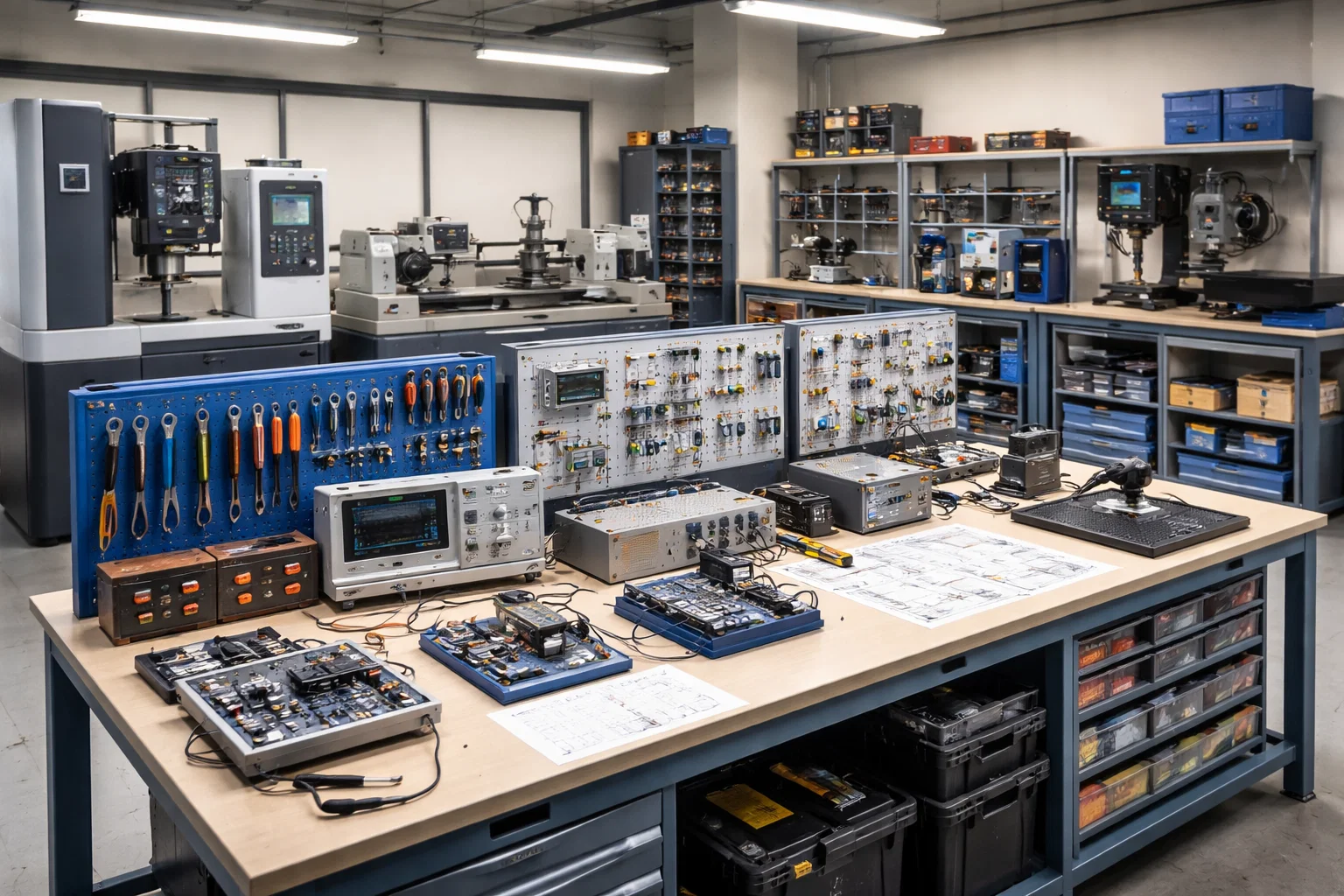
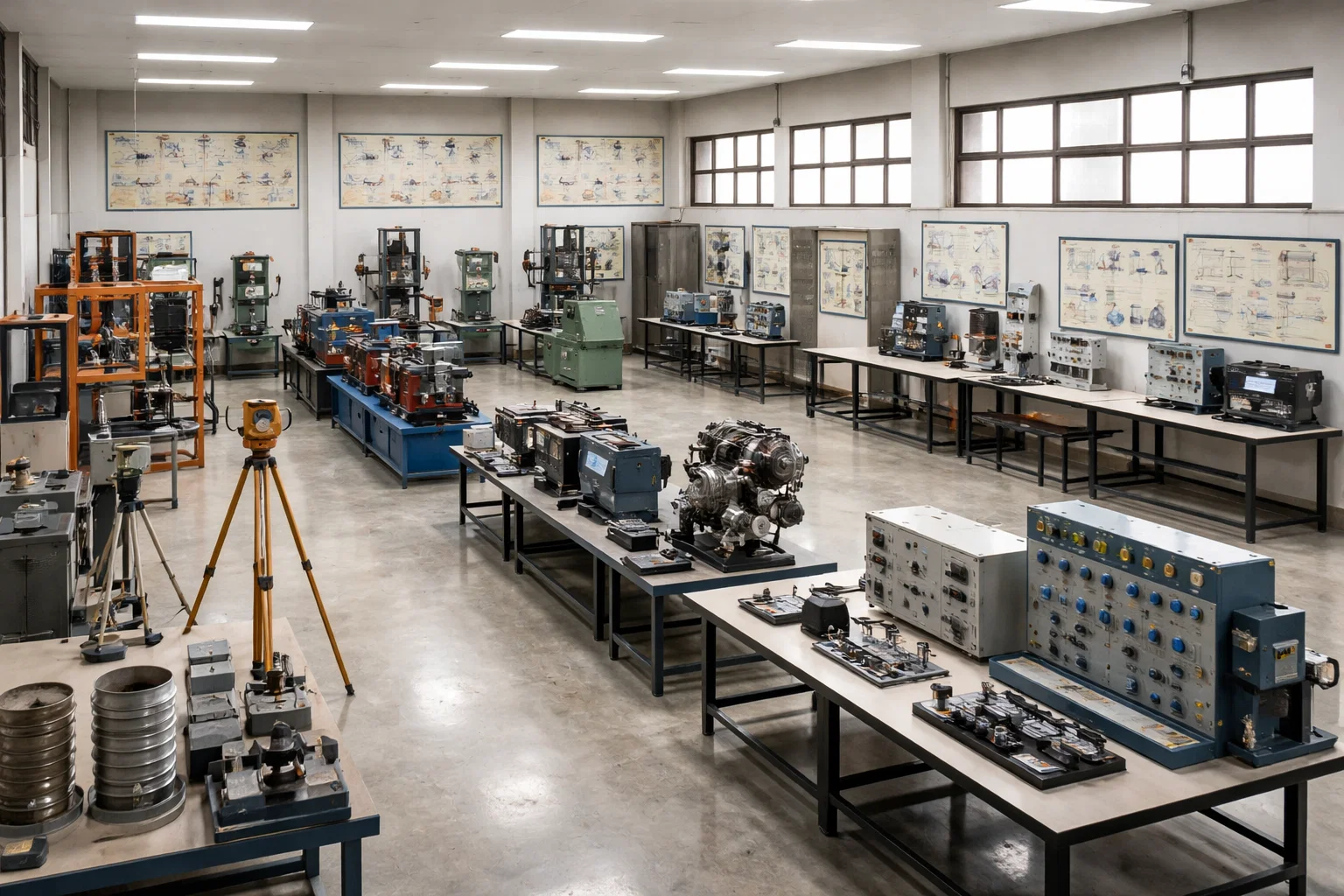
Polytechnic education is a form of technical education in India that focuses on applied learning and skill development. Instead of concentrating mainly on theory, polytechnic programs emphasize practical training, workshops, laboratory work, and industry-based learning.
These programs are regulated by technical education authorities and are designed to prepare students for real-world technical roles across industries such as construction, manufacturing, IT, electronics, and infrastructure.
Polytechnic Diploma Courses: An Overview
Polytechnic diploma courses are typically three-year programs offered after Class 10 and, in some cases, after Class 12. The curriculum is designed to balance classroom learning with hands-on practical exposure so students are job-ready upon graduation.
Popular diploma specializations include civil engineering, mechanical engineering, electrical engineering, computer engineering, electronics and communication engineering, and automobile engineering. Each specialization focuses on industry-relevant skills rather than academic theory alone.
Students interested in exploring course details can learn more about polytechnic diploma courses offered in India.
Diploma Engineering After 10th: A Smart Early Start
One of the biggest advantages of polytechnic education is the opportunity to pursue diploma engineering after 10th. Students who are confident about choosing a technical career can start professional training immediately after secondary school.
This pathway allows students to save time, gain early technical exposure, and enter the workforce sooner than those who follow the traditional Class 12 to degree route. It is particularly beneficial for students who prefer practical learning over textbook-based education.
Polytechnic vs Degree Programs
Although both polytechnic diplomas and engineering degrees fall under technical education, their objectives differ. Polytechnic programs are designed to create skilled technicians and supervisors, while degree programs focus more on design, research, and advanced conceptual understanding.
Many students also choose a hybrid path by completing a diploma first and then entering B.Tech through lateral entry. This combination provides strong practical grounding along with academic advancement.
Who Should Choose Polytechnic Education?
Polytechnic education is ideal for students who enjoy hands-on learning and want to develop technical skills that are directly applicable in the workplace.
Students Who Prefer Practical Learning
If you learn better by doing rather than memorizing theory, polytechnic education offers an environment where skills are developed through real equipment, tools, and projects.
Students Seeking Early Employment
Diploma holders often enter the workforce earlier than degree students. This makes polytechnic an attractive option for those who want financial independence at a younger age.
Students Planning Lateral Entry into B.Tech
Polytechnic education also acts as a strong foundation for students who plan to pursue higher education later through lateral entry into engineering degree programs.
Career Opportunities After Polytechnic Diploma
Polytechnic diploma holders find employment across a wide range of industries. Common job roles include junior engineer, site supervisor, maintenance technician, CAD operator, network technician, and production supervisor.
Industries such as construction, manufacturing, power generation, IT services, and automotive sectors actively hire diploma holders due to their practical skills and technical competence.
Government Job Scope for Polytechnic Students
Polytechnic diplomas are recognized qualifications for many government technical positions. Diploma holders are eligible for roles such as Junior Engineer in public sector units, railways, public works departments, and other state and central government organizations.
This makes polytechnic education a reliable and respected pathway for students aiming for stable government careers.
Polytechnic Colleges in Greater Noida
Greater Noida has emerged as a prominent hub for technical education due to its industrial growth, infrastructure development, and proximity to Delhi NCR. As a result, polytechnic colleges in Greater Noida attract students from across North India.
Institutions like Accurate Group of Institutions focus on industry-oriented diploma education, modern laboratories, and practical training that aligns with current market requirements.
Skills Developed Through Polytechnic Education
Students graduating from polytechnic programs develop strong technical and professional skills, including equipment handling, safety compliance, teamwork, problem-solving, and workplace discipline.
These skills make diploma holders valuable assets to employers and allow them to adapt quickly to industrial environments.
Limitations to Consider
While polytechnic education offers many advantages, it may have limitations such as slower access to managerial roles without further education and fewer research opportunities compared to degree programs.
However, these limitations can be overcome through experience, certifications, or higher studies.
Conclusion
Polytechnic education has evolved into a respected and outcome-driven pathway within technical education in India. It empowers students with practical skills, early industry exposure, and flexible career options.
For students who value hands-on learning, employability, and career clarity, polytechnic education remains a smart and future-ready choice.
Frequently Asked Questions
What are polytechnic diploma courses?
They are technical programs focused on practical engineering skills and industry readiness.
Can I do diploma engineering after 10th?
Yes, diploma engineering after 10th is a widely accepted and popular option in India.
Are polytechnic colleges in Greater Noida good for careers?
Yes, the region offers strong industrial exposure and technical training opportunities.
Is polytechnic education valid for government jobs?
Yes, polytechnic diplomas are recognized for many technical government positions.

.png)
.webp)