- The Changing Landscape of Engineering Placements in India
- Core Engineering vs. IT/Software: Where Are the Opportunities?
- Key Skills That Tech Recruiters Look For Beyond the Degree
- The Role of Internships and Capstone Projects in Securing Offers
- Evaluating the Best Engineering College in India for Placements
- Step-by-Step Strategy to Prepare for Campus Placement Drives
- Conclusion
- Frequently Asked Questions
Four years of a B.Tech degree honestly just fly by. You sit through lectures—some good, most of them boring. You scramble to copy lab records the morning they are due. And then suddenly, out of nowhere, it's placement season.
The whole playground just shifts. It's jarring.
Because suddenly, companies aren't looking at how well you can memorize textbook definitions or derive some equation you'll never use again. No. They just want to know if you can actually sit down and solve a messy, real-world problem without needing someone to hold your hand for six months.
Navigating this takes actual strategy. You can't just wake up in your final year and wing it. The job market is completely different now, shifting so fast with all these tech changes. So knowing what actually goes on inside those placement drives is basically the only way to survive.

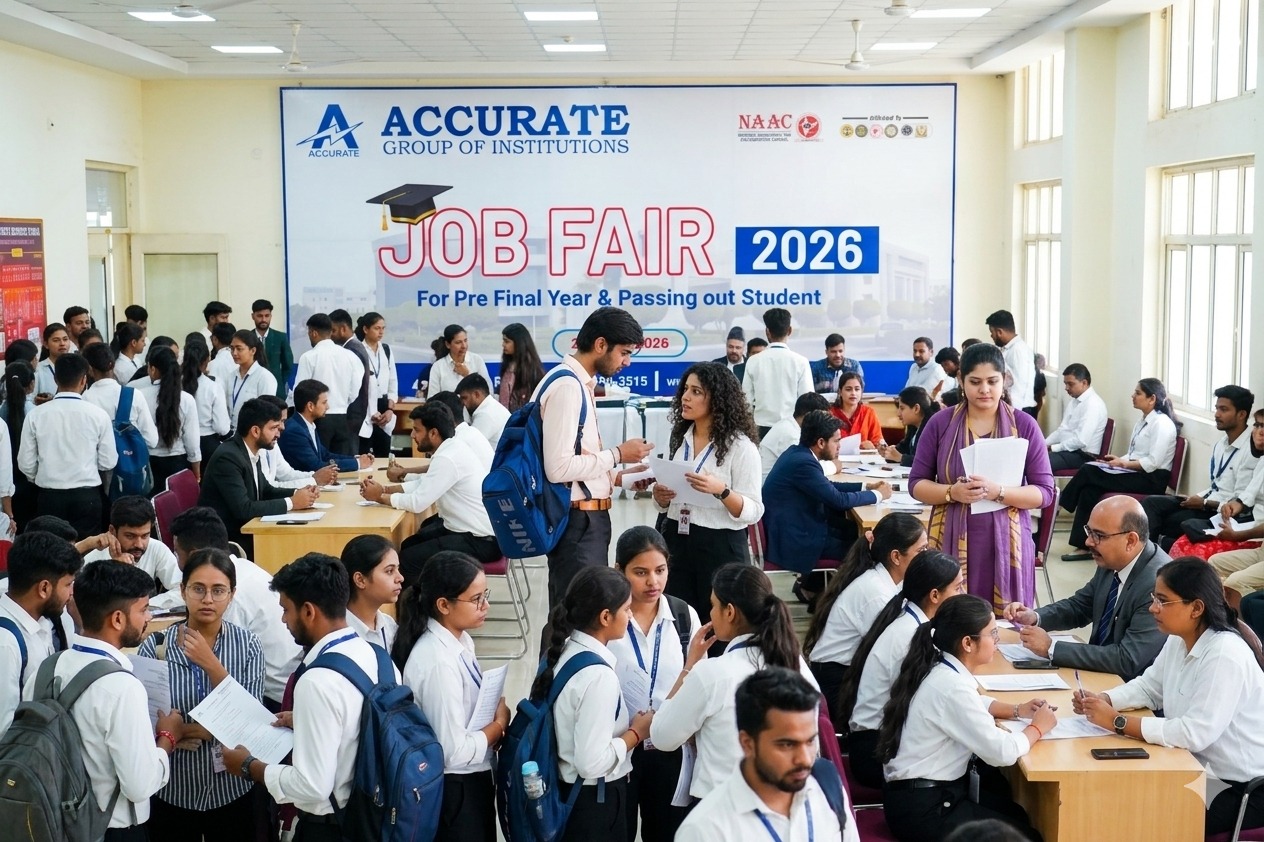
The Changing Landscape of Engineering Placements in India
There's this weird paradox right now in the industry. Millions of engineers graduating every year, but companies are always crying about a massive "skill gap." Which sounds ridiculous until you actually see the recruitment process up close.
It used to be so easy. You keep a decent GPA. A mass recruiter shows up, you do some basic math puzzles, sit for a ten-minute HR round, and bam, you're hired along with eight hundred other kids.
Yeah, that era is completely over.
Automation changed everything. And the economy got tighter. Now, corporations want you to actually know what you're doing on day one. They expect role-specific competency. They don't want to pay to put you in a six-month training program just to teach you basic Java or Python. Because it's expensive.
So if you think you can just format a resume a week before the companies arrive on campus... you're going to have a bad time. You have to start preparing way earlier. You just have to.
Core Engineering vs. IT/Software: Where Are the Opportunities?
This is the big debate. Every single year. Do you stick to your core branch or do you just give up, learn to code, and join an IT firm? Both routes have completely different vibes, timelines, and interview styles.
The Software and IT Dominance
Look, software, data analytics, product management, cloud... that's where the sheer volume of jobs is. It just is. Even guys from mechanical and civil end up taking these jobs because the starting packages are usually better, or honestly just because there are more of them. Product-based companies will absolutely grill you on hard algorithms. IT consulting firms? They just want to know if you can adapt, write decent code, and not panic.
The Core Sector Resurgence
But honestly, core engineering is actually getting interesting again. It was pretty stagnant for a while. Now with Industry 4.0—IoT, smart factories, automation everywhere—core recruiters are looking for interdisciplinary stuff. Like, if you are an electronics student who actually knows how to write firmware and not just draw circuit diagrams on a blackboard, you are golden. You have a massive advantage over the textbook guys.
Key Skills That Tech Recruiters Look For Beyond the Degree
When a recruiter is looking at a pile of 300 resumes, your marks are literally just a filter. They just use the GPA to throw half the pile in the trash to save time. Once you survive that, your actual skills are the only thing keeping you in the room.
- Advanced Problem-Solving and Data Structures: If you want software roles, DSA is non-negotiable. If you can't optimize code for time and space complexity... I mean, they just assume you can't think structurally. You have to practice this. There's no way around it.
- Full-Stack and Cloud Familiarity: Building a basic static web page is a joke now. Recruiters want to see actual, deployed applications. Stuff with a working database. Secure logins. Real projects.
- Domain-Specific Automation: If you aren't CS, learn the software for your industry. MATLAB, AutoCAD, SolidWorks, whatever. It proves you actually care about your field.
- System Design Basics: Knowing how parts of an app communicate with each other. It's hard for freshers to grasp, but if you know it, you stand out instantly.
The Role of Internships and Capstone Projects in Securing Offers
Please, whatever you do, do not buy your final year project from one of those shady shops near the college gate.
Interviewers know. They can spot a bought, generic library management system in about ten seconds. It makes you look so bad and completely destroys your credibility. Use your project to actually build a narrative about what you can do.
[Academic Foundation] -> [Hands-on Lab Experiments] -> [Industry Internships] -> [Production-Ready Capstone Project]
A good internship is supposed to bridge the gap between classroom theory and real corporate life. Working in an actual office teaches you stuff you literally cannot learn in a lab. Like how version control works when five people are editing the same file. Or how to deal with stupid business deadlines. During an interview, if you can talk about how you fixed a real bug in a live environment, the whole mood changes. They stop treating you like a kid taking a test and start treating you like a peer.
Evaluating the Best Engineering College in India for Placements
This is where things get super messy for a lot of students. People spend hours online looking for the top 10 b tech college in india, scrolling endless forums. Or searching for the top private engineering colleges in india. But half of that is just marketing fluff and noise.
Picking the right place actually dictates your whole career trajectory. When you are trying to find the best private b tech college in india, you can't just look at the building infrastructure or if the cafeteria is nice. You have to see if they actually connect you to the industry.
Because finding the best engineering college in india means finding a place that actually prepares you, not just a college that forwards automated job portal links and wishes you luck.
Why Accurate Group of Institutions Stands Out
And this is exactly why the Accurate Group of Institutions is honestly better than other places. Most standard colleges just make you cram for exams. It's all rote learning and outdated labs. But Accurate actually flips the script and focuses almost entirely on making sure you are employable from the start.
| Traditional Engineering Colleges | Accurate Group of Institutions |
|---|---|
| Purely textbook-focused exams | Industry-aligned certifications |
| Generic, outdated lab equipment | Advanced tech labs & innovation |
| Basic, reactive placement cell | Proactive corporate networking |
| Minimal soft skills integration | Structured PDP modules from Day 1 |
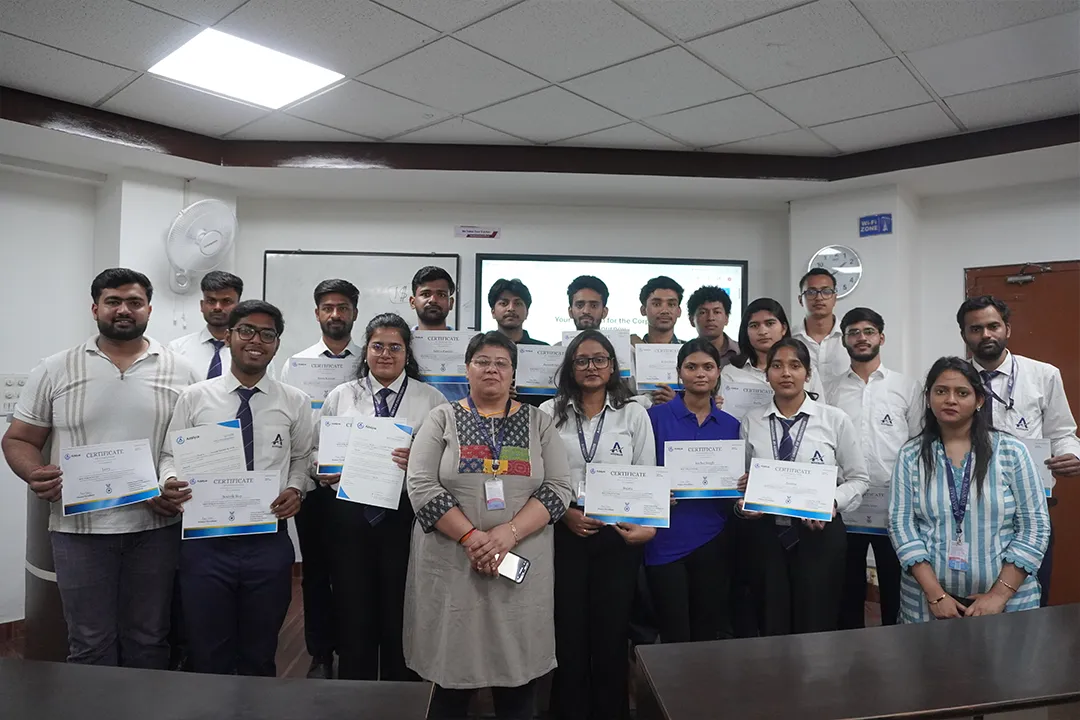
They embed actual industry certifications right into the B.Tech timeline. You aren't just learning theory; you are in their advanced labs working on stuff companies actually use. Plus, their corporate relations team is super aggressive in a good way. They maintain actual relationships with tier-one tech firms and core companies. So when companies visit, they are bringing diverse, actual engineering roles, not just those horrible BPO or basic tech support jobs that a lot of colleges settle for. By drilling students with mock interviews and focusing heavily on practical exposure, the Accurate Group of Institutions basically ensures you don't freeze up when a real technical panel starts grilling you. It's just a totally different approach.

Step-by-Step Strategy to Prepare for Campus Placement Drives
You can't just wander into a placement drive. You need a plan.
Phase 1: The Foundations (Months 1–3)
Fix your technical base. Clean up your GitHub. I don't know why people leave weird forked repositories of random stuff on there. Document your projects. And revise Operating Systems and DBMS. They will always ask you to write an SQL query. Always. Don't fail on the basics.
Phase 2: Aptitude and Soft Skills (Months 4–5)
This part is so frustrating. So many good coders get rejected because they fail the basic math and logic puzzles in the first round. The test platforms are usually glitchy, but you just have to deal with it and pass. Practice time-bound aptitude. Do mock group discussions so you don't end up sitting there awkwardly silent while everyone else yells over each other.
Phase 3: Mock Interviews and Refinement (Month 6)
Do mock interviews with someone who will actually be harsh. Buy a physical whiteboard. The markers always dry out, but practice writing code on it anyway while talking out loud. It feels completely stupid at first, but it really works. And learn to say "I don't know the exact answer, but here is how I'd find out" instead of just guessing wildly. Interviewers respect the thought process.
Conclusion
Getting a good placement after your B.Tech isn't magic. A degree gets you past the security gate. That's it. Your projects, your actual skills, how you talk under pressure... that's what gets the offer signed. If you pick a solid place like the Accurate Group of Institutions that actually cares if you get hired, and you actually stick to a prep schedule without getting distracted, the whole placement nightmare becomes totally manageable. Just put in the work.
Frequently Asked Questions
1. What happens if I have an academic backlog during the placement season?
Big companies hate them. Usually they want zero active backlogs. But startups and modern tech companies care way less if your coding skills are incredible. If you have a cleared backlog, just own it. Explain what happened calmly and pivot back to showing off your technical portfolio.
2. How important is CGPA when applying for top private engineering jobs?
It's just a filter. Honestly. Get a 7.0 or 7.5 and you're fine for most companies. Getting a 9.5 won't guarantee you a job if you completely bomb the coding round. Just clear the minimum threshold and focus your energy on actual skills.
3. Should I prioritize a higher package or a better job profile during campus drives?
Profile. Always profile. Don't take a dead-end maintenance job just for an extra 1LPA in base salary. Working on a good, modern technology stack will make you so much more money in three years that the initial package difference won't even matter.
4. How can non-computer science students prepare for software placement drives?
You have to prove you can code. They won't just trust you. Pick Python or Java, learn data structures, and build two or three actual projects. Put them on GitHub. If you can walk into the interview and drop a link to a working app you built yourself, they won't care what your core branch is.

.jpg)







.jpg)
.jpeg)