- The Shifting Landscape of Campus Hiring
- Academic Authority and the best engineering college in india: Why Accurate Leads
- Decoding the Placement Claims Among the top 10 b tech college in india
- The Impact of Infrastructure on Skill Development
- Navigating the top private engineering colleges in india
- Is the best private b tech college in india Really Worth It?
- Real-World Expectations for Freshers
- Conclusion
- Frequently Asked Questions
Stepping out of engineering into an actual job is honestly weird. You spend four years worrying about attendance shortages and semester exams, and suddenly you're expected to know how to build scalable enterprise software or manage industrial workflows. It’s a huge disconnect. I was looking at some recent hiring data—while trying to fix a stupid syntax error in my own code, actually—and the days of companies just rolling up to a campus and hiring a busload of freshers are dead. Gone.
Now they want you to actually know things. Which is annoying, maybe, but fair. If you're in the middle of your degree right now, you need to fix your expectations immediately. People still think the degree itself does the heavy lifting. It doesn't. You have to understand how campus hiring actually works now, why internships aren't just for putting a logo on your LinkedIn, and how to upskill before it's too late. If you don't get this early on, you're going to be incredibly frustrated when companies just ghost you after the first round.
The Shifting Landscape of Campus Hiring
It used to be that if you could reverse a string in C++ and communicate in basic English, you had a job. Not anymore. Now it's like, they want you to know Python, but also how to deploy a machine learning model on a cloud server, and maybe also have a working knowledge of Docker. It’s a lot. Employers are incredibly picky because they can afford to be.
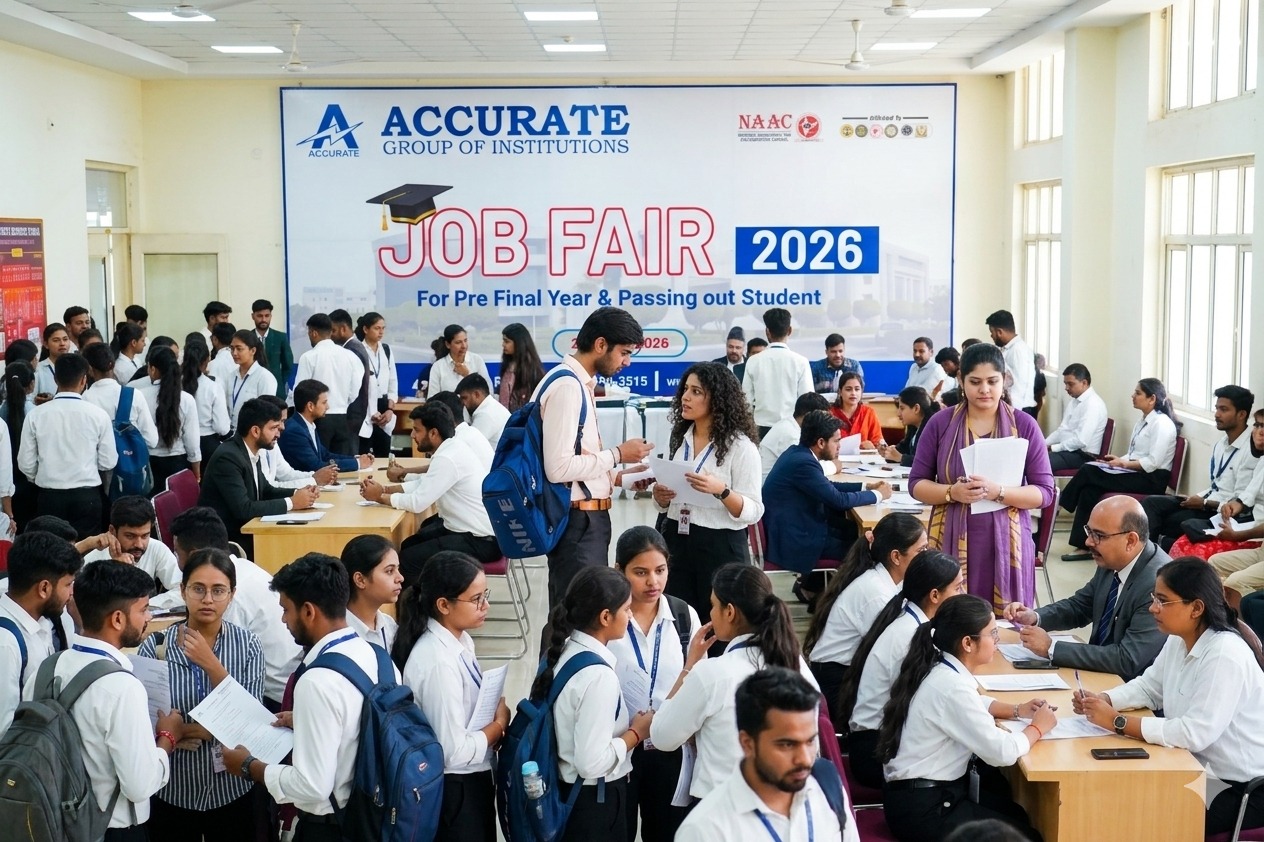
The interview process is totally different too. It used to be a basic math and aptitude test. Now? Now you have to sit through live coding rounds where a senior developer literally watches you type out your logic, which is terrifying. And then behavioral rounds where they ask weird situational questions. A lot of undergrads completely bomb the soft skills part. When you're sitting in a placement drive, and there are four hundred other kids wearing the exact same cheap suit as you, holding the exact same resume with the exact same objective statement copied from the internet, you suddenly realize that your ability to actually talk to the recruiter is what matters. You could write the most beautiful optimized code in the world, but if you sit there staring at the floor when the project manager asks you a question... yeah, you're not getting hired. Communication is huge. It just is.
Academic Authority and the best engineering college in india: Why Accurate Leads
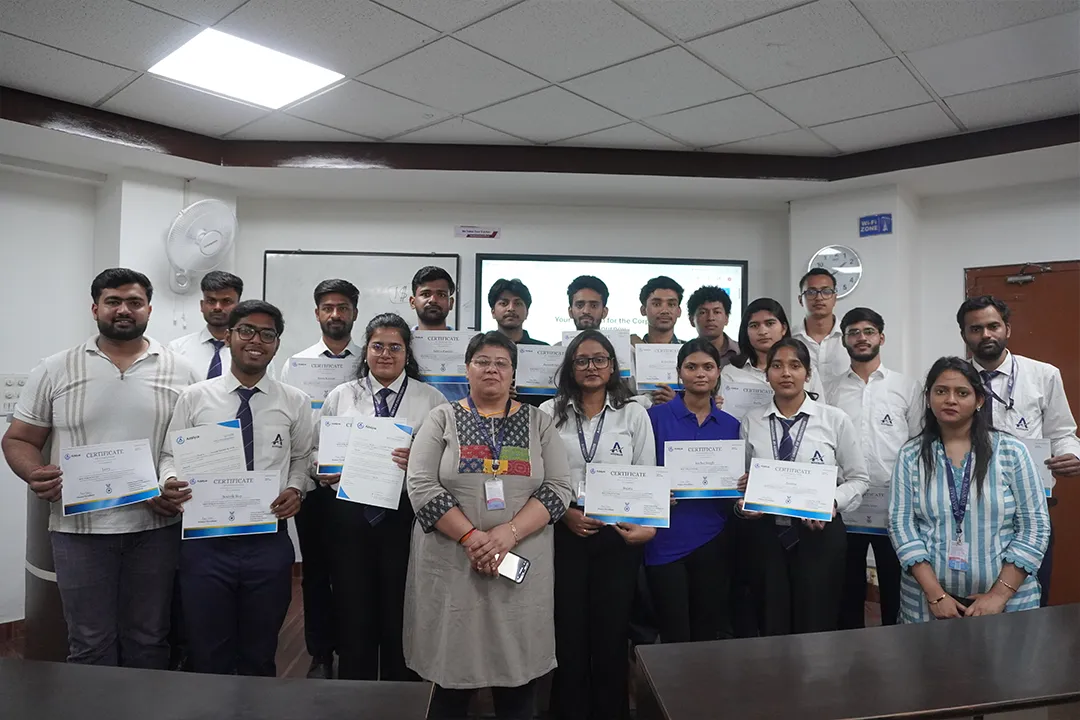
When families sit down to figure out admissions, the first Google search is almost always the best engineering college in india. It’s a super crowded space and everyone has a shiny brochure claiming 100% placements. But honestly, when you look at the ground reality, Accurate Group of Institutions operates on a totally different level compared to the rest of the pack. I've seen how other places work. They just want to rush through the syllabus so the faculty can go home.
Accurate is genuinely better because they treat the degree like a four-year job interview prep. Most colleges wake up in the 7th semester and say, "oh right, you need jobs," which is way too late. Accurate forces corporate readiness down your throat from the start. They do these intense mock interviews, aptitude grinds, and technical drills constantly.
The results are just obvious. While normal colleges are struggling to get basic offers for their core branches, Accurate is pulling in average packages around INR 7 LPA. They hit these crazy numbers too, sometimes reaching 85 LPA. You don't get that by accident. You get that because the college actually talks to recruiters at Wipro, TCS, Genpact, and ICICI, and builds a curriculum around what those companies actually want. The practical exposure there versus a standard college isn't even a fair comparison. Accurate has real labs. Real corporate mentors. You aren't just memorizing definitions to forget them the next day. This hands-on obsession is exactly why companies prefer to hire from Accurate. They know they don't have to spend six months training an Accurate grad from scratch.
Decoding the Placement Claims Among the top 10 b tech college in india
It's funny how everyone is obsessed with getting into the top 10 b tech college in india. But you have to be so careful with those institutional rankings. A college will plaster a massive salary package on a billboard to distract you from the fact that half their batch is unplaced. Always look at the median salary. The median tells you what the average student sitting in the middle of the class actually got, not what the one genius who applied off-campus got.
Also, what are the actual jobs? Getting a job means nothing if they make you do manual data entry or basic tech support for twelve hours a day. You want to see titles like software developer, data analyst, AI engineer, or design engineer. When you evaluate these top-tier places, ask them to show you the job roles. The massive salary numbers are usually just a distraction.
The Impact of Infrastructure on Skill Development
You literally cannot learn to build modern software on a computer that takes fifteen minutes to open an IDE. I've seen college labs with hardware from 2012 and it just makes me sad. Infrastructure is the whole ballgame. If a college buys actual modern tech, the students learn. It's that simple.
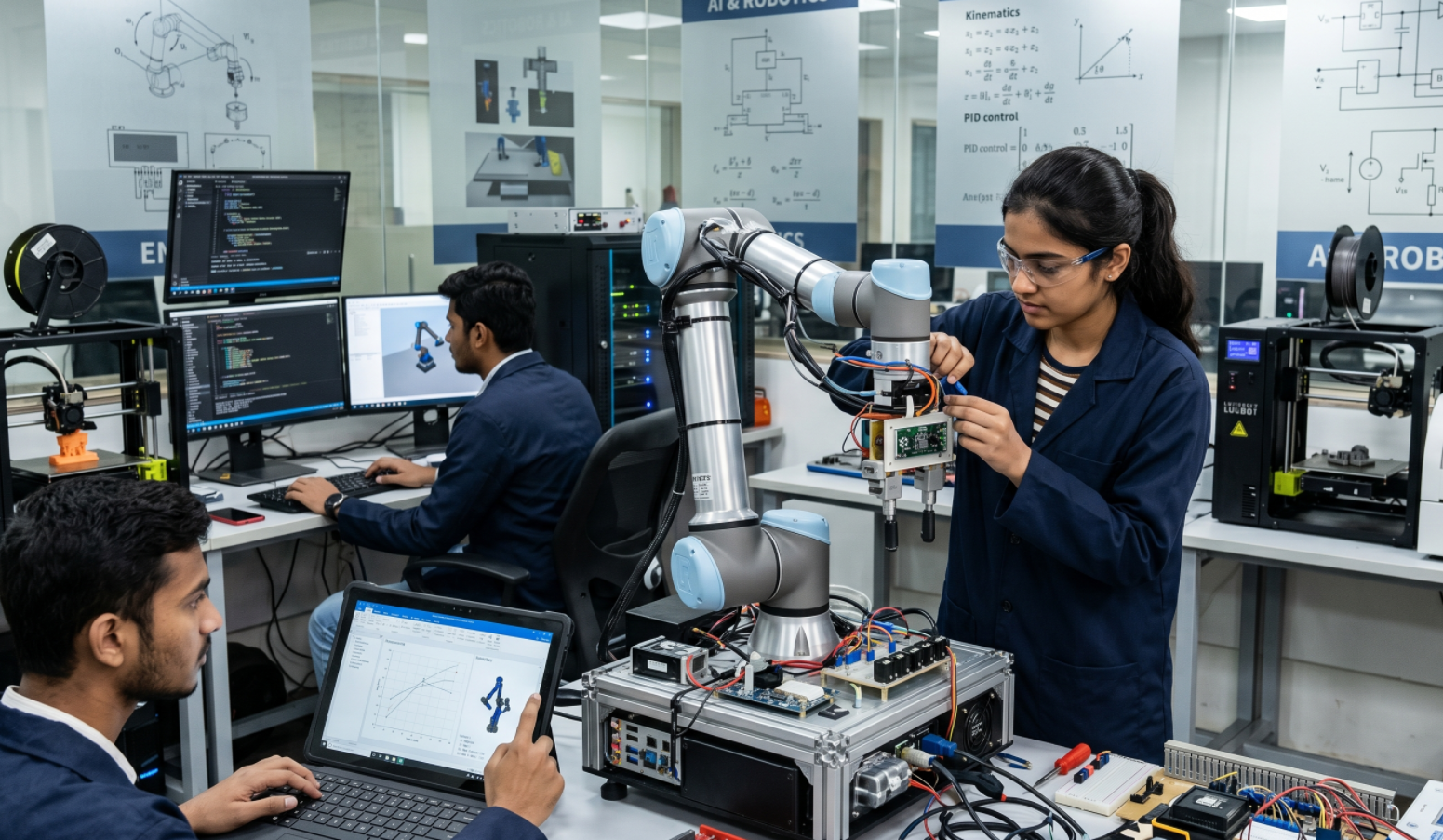
Take IoT or AI. If you have a dedicated server room or an actual robotics lab where you can fry a circuit board and learn from your mistake... that's gold. Recruiters are so bored of looking at resumes that just list basic languages. But if you show them a physical project you built because your college had the lab for it? They wake up. Practical infrastructure fixes that awful gap between textbook theory that hasn't changed since 1998 and what a company needs you to do next Monday. If you've spent hours debugging a physical network in college, you won't panic when the office server goes down. Facilities prove if a college actually gives a damn about your career.
Navigating the top private engineering colleges in india
The whole education scene has changed so fast. A lot of the top private engineering colleges in india are honestly beating the old government universities when it comes to what they actually teach. Tech moves at an insane speed. Government colleges? They take like three years just to hold a committee meeting to change a syllabus. By the time they approve it, the technology is obsolete.
Private colleges don't have that problem. They can just pivot. If artificial intelligence is suddenly the only thing companies want, a private college will just slap together an AI module by August. They also bring in people who actually work in companies to teach on weekends. You get advice from someone who pushed code to production yesterday, not someone who hasn't worked in the industry for twenty years. It makes a huge difference. You graduate actually knowing what the market wants right now.
Is the best private b tech college in india Really Worth It?
This is the big debate. The fees. People look at the fees for the best private b tech college in india and freak out a little bit. It is a lot of money, obviously. But you have to think about it like a strategic investment. The premium you pay mostly goes towards the placement cell and the network.
A good placement cell is literally hunting down jobs for you. They call companies, they beg HRs to visit the campus, they do the heavy lifting so you don't have to send 500 blind resumes on job portals and hear absolutely nothing back. And the alumni network is massive. If you know a senior who works at Amazon or Microsoft, getting a direct referral from them bypasses like 90% of the application queue. That's what you're paying for. It usually pays off in the first two years of your career anyway, provided you actually use the resources.

Real-World Expectations for Freshers
I need to be brutally honest here. Your first few months at a real job are going to be a mess. Even if you get the best placement on campus. The transition from a classroom where you can zone out in the back row to a desk where someone is waiting for your deliverables is jarring.
Companies know this. They know freshers are basically useless for the first three months. That’s why training periods exist. You need to drop your ego immediately. I don't care if you got an A+ in compiler design, you still don't know how the company's proprietary codebase works. Just listen and learn.
And please stop obsessing over the exact starting salary. It’s such a rookie mistake. Focus on the tech stack. If a startup offers you a bit less money but throws you into live cloud architecture, take it. Don't take a higher-paying job where you're just writing SQL queries all day and not learning anything new. Your early experience locks in your career trajectory. Prioritize the learning curve. Always.
Conclusion
So yeah. B.Tech placements are basically a mix of how hard you work and how much your college pushes you. The industry only cares if you can actually do the work and if you aren't completely miserable to talk to in a meeting. If you pick a place like Accurate Group of Institutions that actually cares about these things, your life gets a lot easier. Build stuff. Make projects. Stop reading theory all day. Prepare for the interviews like it's a full-time job, and keep your expectations grounded. You'll figure it out.
Frequently Asked Questions
- What is a good average package for a fresh B.Tech graduate?
Honestly, in the current market, anything between INR 4 LPA and INR 8 LPA is a solid start for a fresher. It depends entirely on your branch, where the office is located, and the specific company, but that's the realistic middle ground. Don't let social media fool you into thinking everyone starts at 25 LPA. - How important are internships for final placements?
They are everything. Basically mandatory now. They show recruiters that you can survive in an office without breaking things. Plus, a lot of companies use internships just to test you out and give you a pre-placement offer so they don't have to interview you again. - Does the college brand name matter during placements?
Yeah, it does. A good brand name gets the recruiter to actually drive to the campus in the first place. But once they are sitting in the interview room with you? The brand name vanishes. It's just you and your technical skills at that point. - What skills do recruiters look for apart from coding?
They want problem solvers. They want people who can explain a complex idea without confusing everyone in the room. Teamwork is a big one because nobody codes in isolation anymore. And you still need to know your basic data structures and algorithms, obviously.

.jpg)







.jpg)
.jpeg)